Do You Need a Three-Phase Switchboard for Your Air Conditioning?
High-power ducted air conditioning systems can transform comfort in a Brisbane home, but they can also demand more electrical capacity than a standard single-phase supply can deliver. That’s where a three-phase power upgrade comes in.
This guide explains when it’s needed, why it matters for air conditioning, and how it ties in with solar power especially important in a city where around half of all homes have solar panels.
Why Some Air Conditioning Systems Need Three-Phase Power
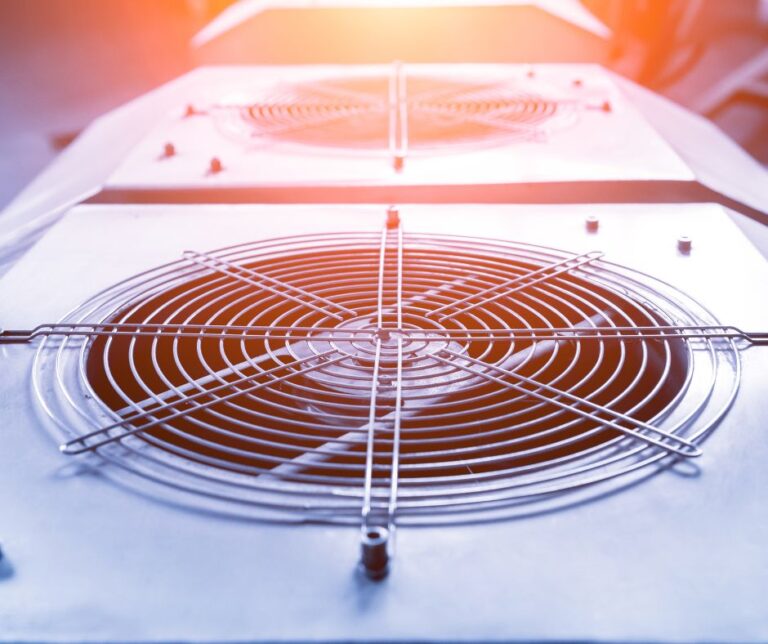
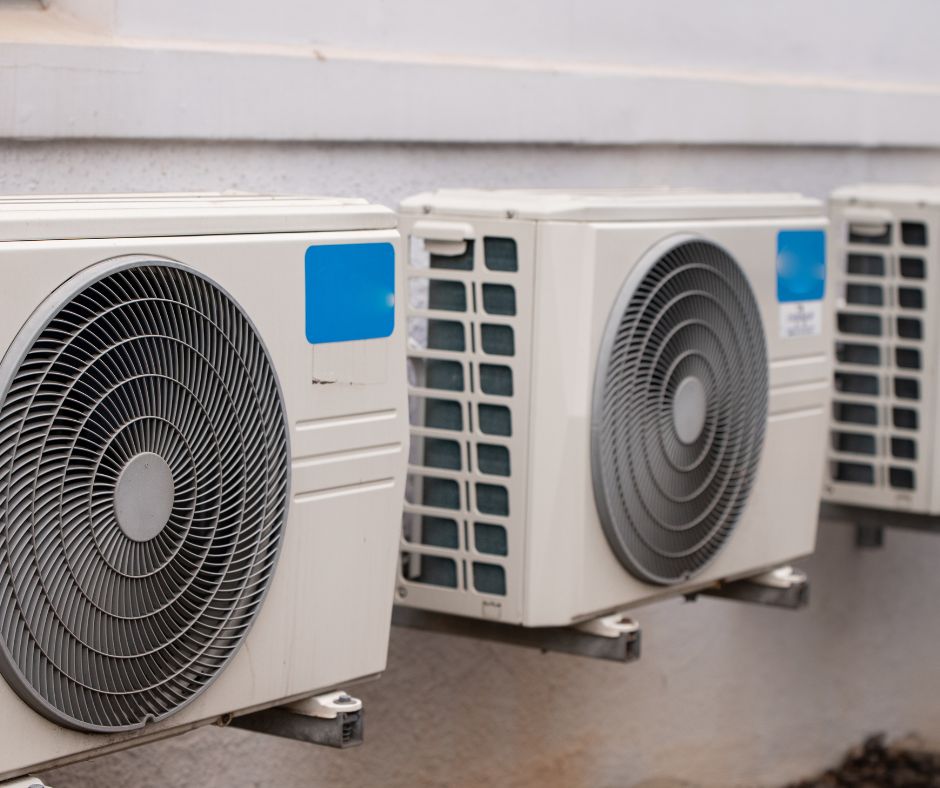
Most split system air conditioners and smaller ducted units run comfortably on a single-phase supply. However, once you move into larger ducted systems often above 12-15kW cooling capacity the power draw increases significantly.
Read how we kept single phase for this air conditioning upgrade
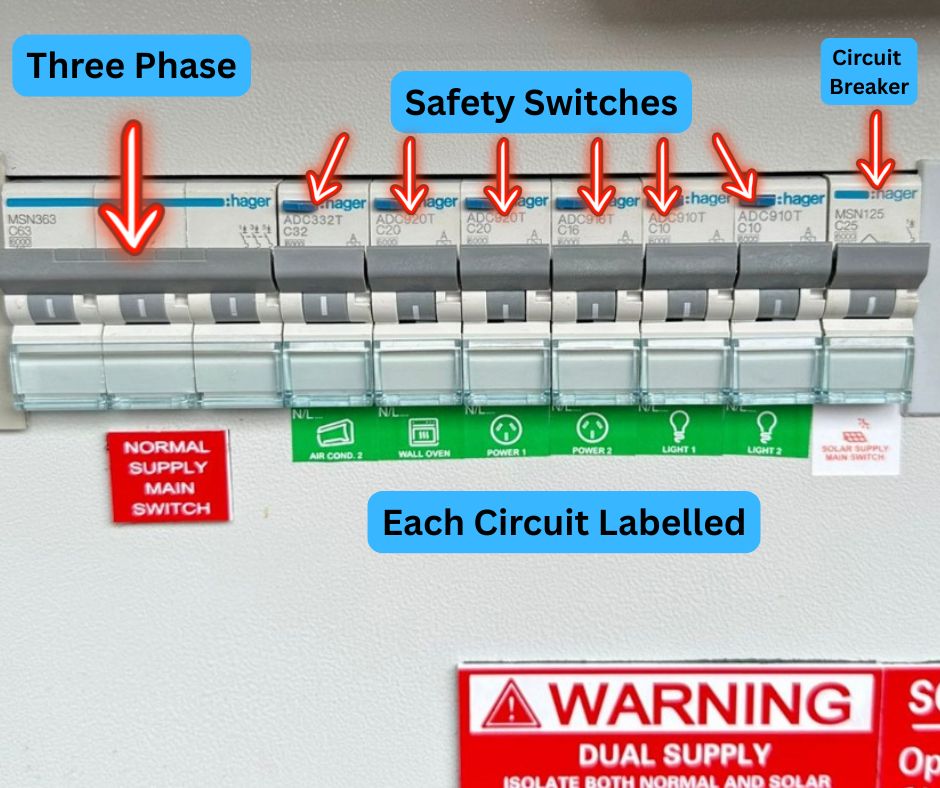
Three-phase power spreads that load evenly across three live wires, rather than relying on a single phase. This allows:
- Higher capacity systems to run without tripping breakers
- More stable voltage, improving efficiency and lifespan of the unit
- Reduced strain on your electrical system, especially when running other appliances at the same time
If you’re building a large new home or upgrading an existing system to something more powerful, three-phase may be the only way to meet the electrical demand safely and within Australian Standards.
Signs You Might Need a Three-Phase Upgrade for Air Conditioning
- You’re installing a ducted system over 12-15kW
- Your electrician says your single-phase supply can’t handle the load
- The manufacturer’s specifications list three-phase as a requirement
- You run other high-demand appliances like large pool pumps, welders, or commercial kitchen gear, at the same time as the air conditioner
An electrical assessment can confirm whether your current supply is adequate or whether a three-phase upgrade will give you better long-term reliability.
How Solar and Three-Phase Power Work Together
With more than half of Brisbane homes now using rooftop solar, many households are looking to expand their systems or pair them with high-power appliances like ducted air conditioning.
In Australia, single-phase homes are typically limited to around 5-6.6kW of solar inverter capacity under most electricity distributor rules. If you want to install a larger solar system: especially above 10kW, you may need a three-phase connection to meet network requirements and avoid export limits.
Three-phase power also helps:
- Balance solar generation across phases for smoother grid export
- Reduce voltage rise issues that can cause solar inverters to trip
- Support running high-power appliances directly from solar without overloading one phase
If you’re planning both a large ducted air conditioning system and an expanded solar array, upgrading to three-phase can improve performance, keep your installation compliant, and maximise your ability to use your own solar power.
The Upgrade Process
Upgrading to three-phase power is a straightforward process when handled by a licensed electrician. It generally involves:
- Assessment: Checking your home’s load requirements, air conditioning specs, and solar plans
- Distributor application: Requesting approval from your local energy network
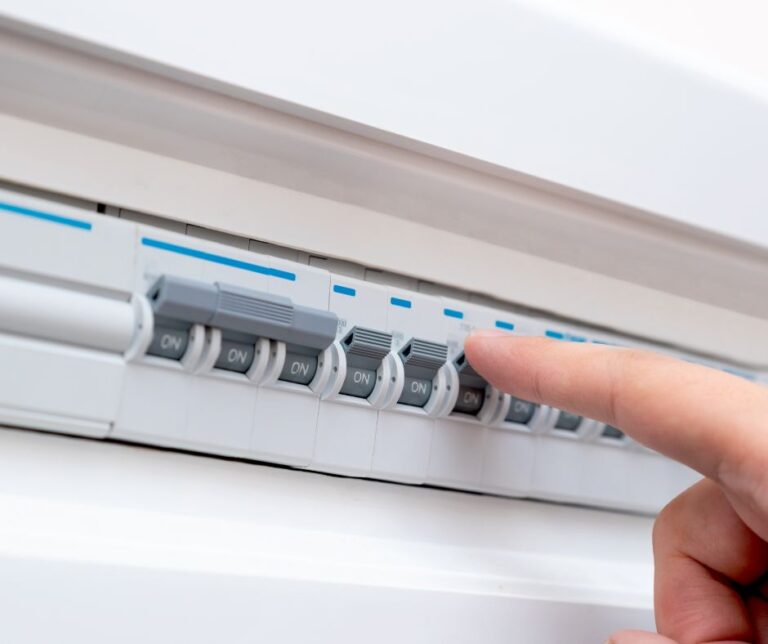
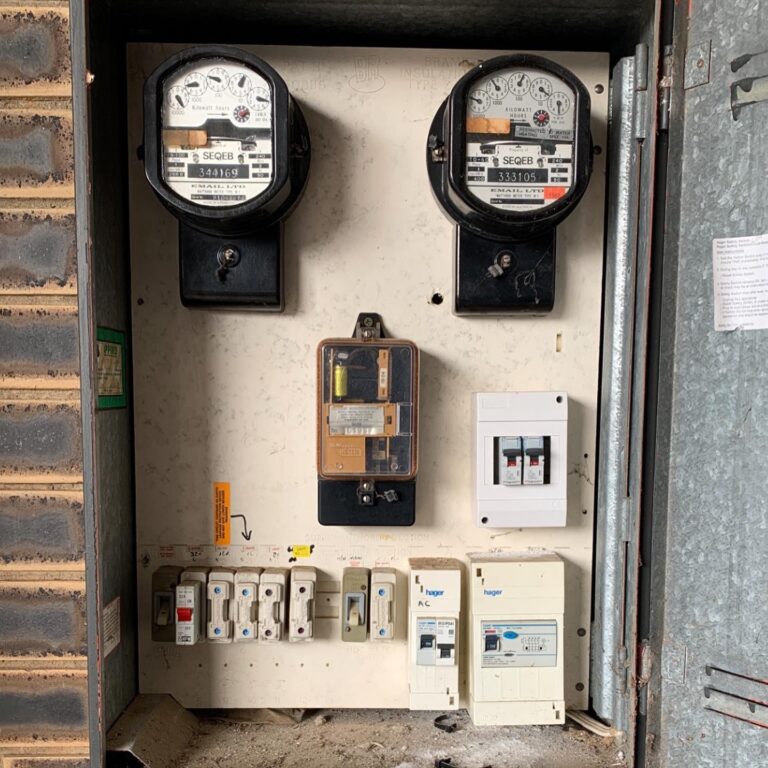
- Switchboard upgrade: Installing a compliant three-phase switchboard and circuit protection
- Final connection: Coordinating with the energy provider to connect the new supply
At Precision Electrical & Air, we handle the process from start to finish, making sure your air conditioning and solar systems are ready for the demands of modern living.
Final Word
If you’re investing in a high-power ducted air conditioning system (especially alongside a large solar installation) three-phase power isn’t just an upgrade, it’s peace of mind. It ensures stable operation, reduces the risk of electrical issues, and gives you the capacity to run your comfort systems without compromise.
We install, upgrade, and maintain three-phase switchboards across Brisbane, including integration with solar and battery systems. Whether you’re building, renovating, or retrofitting, we’ll design an electrical solution that keeps your home cool, efficient, and future-ready..
Do I need three-phase power for ducted air conditioning?
Not always. Most split systems and smaller ducted units run comfortably on single-phase power. However, larger ducted systems above 12-15kW often require three-phase power to run safely without tripping breakers or causing voltage drop.
What size air conditioner requires three-phase power?
As a general guide, ducted air conditioning systems above 12-15kW cooling capacity are likely to require three-phase power. Your electrician can confirm based on the manufacturer’s specifications and your home’s existing electrical supply.
Can I run ducted air conditioning and solar on single-phase power?
You can, but there are limitations. Single-phase homes are typically capped at around 5-6.6kW of solar inverter capacity under Queensland distributor rules. If you’re running a large ducted system and want to expand your solar beyond this, a three-phase upgrade allows both systems to operate efficiently without export limits or overloading a single phase.
How does three-phase power help with air conditioning performance?
Three-phase power spreads the electrical load evenly across three live wires instead of one. This allows high-capacity systems to run without tripping breakers, provides more stable voltage which improves efficiency and unit lifespan, and reduces strain on your electrical system when other appliances are running simultaneously.
What’s involved in upgrading to three-phase for air conditioning?
The process involves an electrical assessment of your load requirements and air conditioning specs, a distributor application to your local energy network, a switchboard upgrade to a compliant three-phase board with circuit protection, and final connection coordinated with your energy provider. Most upgrades are completed within a day once network approval is received.
Will three-phase power help me use more of my own solar energy?
Yes. Three-phase power balances solar generation across phases for smoother grid export, reduces voltage rise issues that can cause solar inverters to trip, and supports running high-power appliances like ducted air conditioning directly from solar without overloading a single phase.