Location: Chelmer
Scope of work: Switchboard upgrade
Outcome: Full single-phase switchboard upgrade for 17.86kW solar, 30kWh battery, and ducted air conditioning , no three-phase upgrade required
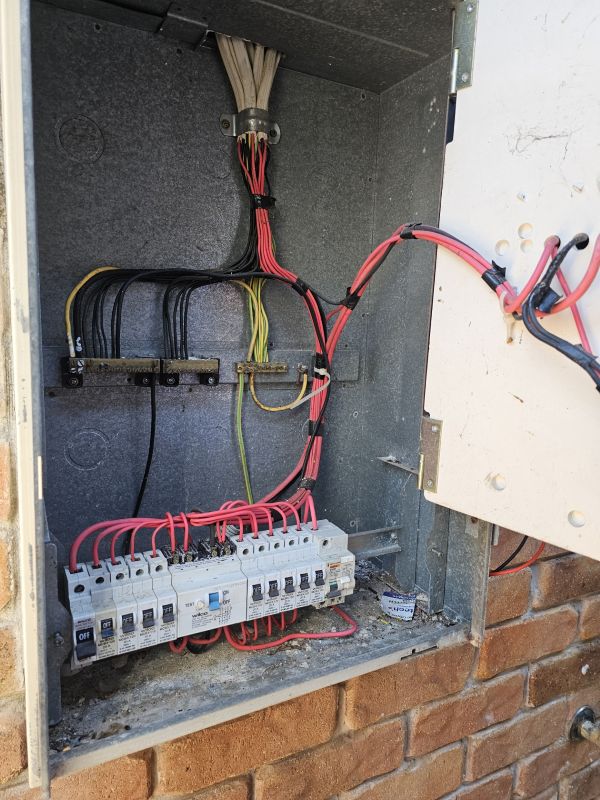
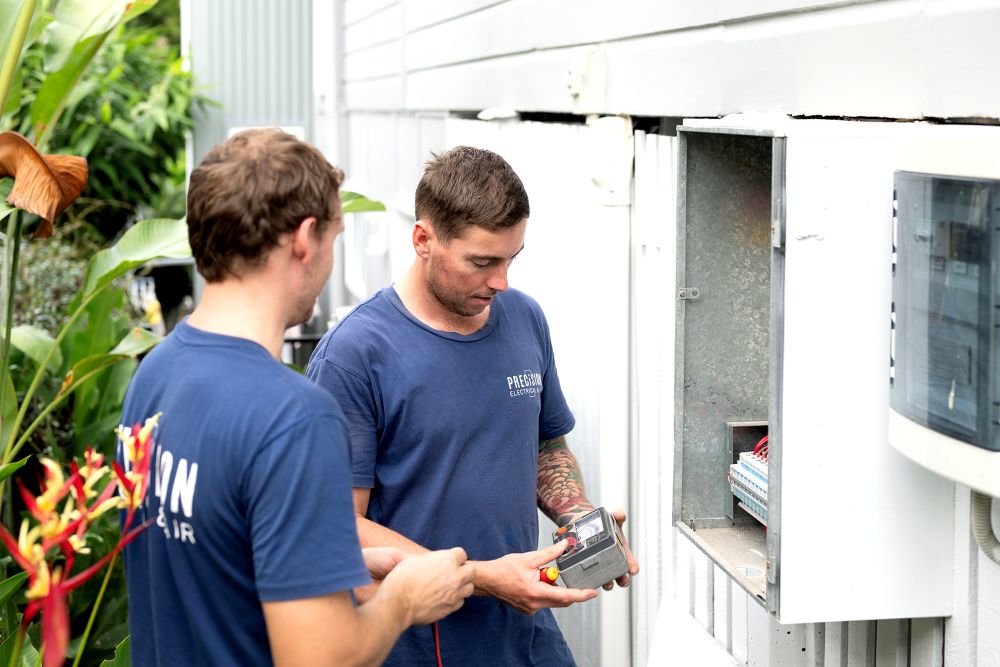
Precision Electrical & Air were engaged to carry out the switchboard upgrade.
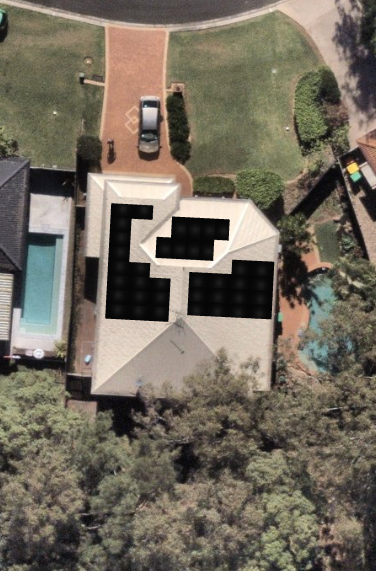
This Chelmer homeowner was undertaking a significant home upgrade, a 17.86kW single-phase solar PV system with 30kWh modular battery storage and full home blackout protection, plus a new ducted air conditioning system. Before any of it could be connected, the existing switchboard needed to be assessed and upgraded to meet current standards and safely support the new loads.
The existing board was a dated with old breakers, a single RCD covering the entire house, and no capacity for solar or battery integration. Circuit labelling was incomplete.
It was not compliant for a modern generation system.
The Question Everyone Asked: Does This Need Three-Phase?
A 17.86kW solar system with a 30kWh battery sounds like it should require a three-phase upgrade. It’s a reasonable assumption, and one that would have cost this homeowner between $3,500 and $6,000 on top of everything else, plus several weeks of additional lead time waiting on Energex network approval.
We did the technical assessment first.
Two factors determined the answer. The home’s supply cable ran close to the street junction, which meant the voltage rise calculation on solar export stayed well within Energex’s single-phase limit of 2%. And because the solar and battery system doesn’t add new demand on the grid, it reduces it, there was no network-side reason to require three-phase.
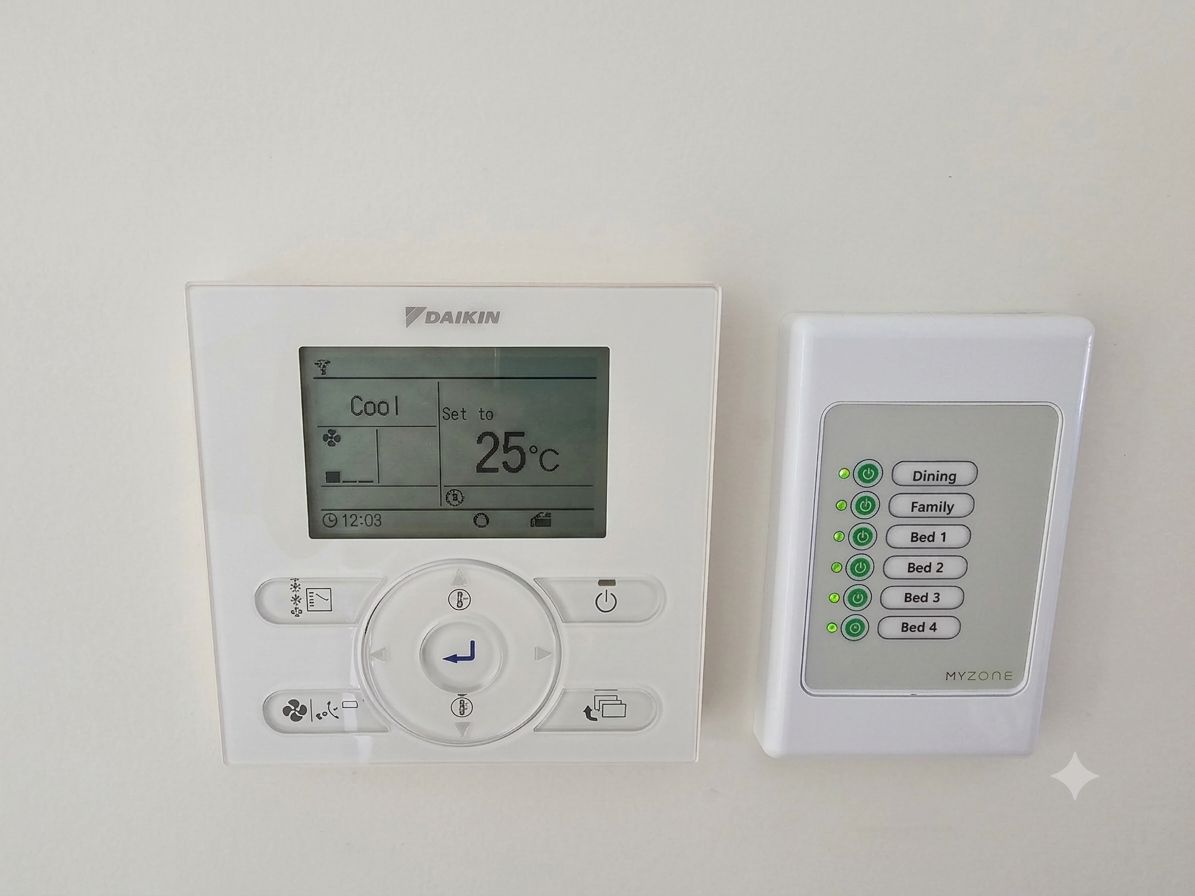
The ducted air conditioning system also fell within single-phase operating parameters.
Single phase was retained. The switchboard was upgraded to handle everything safely and compliantly.
What Was Installed
The old board was stripped out and fully reconfigured. All breakers were replaced with new Eaton units, correctly rated and individually labelled. Circuits were properly separated, power, lighting, hot plate, oven, split system air conditioning, and ducted air conditioning each on a dedicated protected circuit.
A hot water service timer was added to automatically run the hot water during peak solar generation hours, reducing grid draw and making better use of the system’s daily output. A dedicated HWS contactor circuit was installed alongside it.
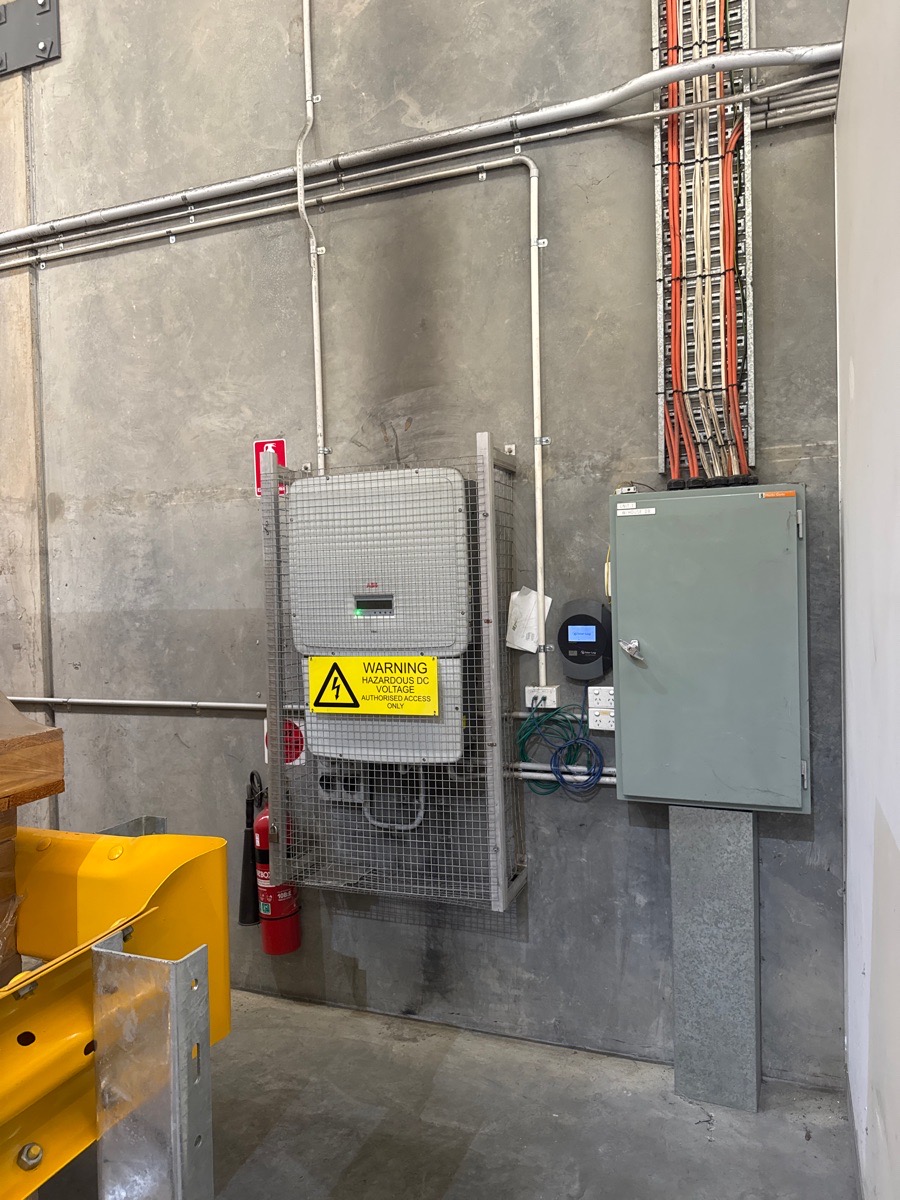
The board was configured to safely integrate the solar inverter and battery system, including an AC isolator, a dedicated grid isolator, and all required safety labelling, battery system rated at 481V DC with 3800A short circuit current, multiple supply warnings, and a full shutdown procedure. All electricity supply tests passed and were documented on the board.
The switchboard now fully complies with current Australian standards and is correctly set up for any future electrician working on the property.
The Outcome
The homeowner has a fully upgraded, compliant switchboard that safely supports their solar system, 30kWh battery, and ducted air conditioning, all on single phase.
They did not pay for a three-phase upgrade they didn’t need.
Been Quoted for Three-Phase and Not Sure if You Need It?
Three-phase upgrades are sometimes genuinely necessary, but not always.
If you’ve received an extensive switchboard upgrade quote and you’re not sure whether it’s justified for your situation, let Precision Electrical & Air crunch the numbers.
We’ll give you an honest assessment based on your cable distance, your load requirements, and what Energex will actually approve for your property.
No upsell. Just the right answer for your home.
Frequently Asked Questions
How does an electrician calculate whether you need three-phase power for solar?
The calculation comes down to two things: voltage rise and load demand. An electrician measures the cable distance from your home to the street junction and calculates how much the voltage will rise when your solar system exports back to the grid. Energex allows a maximum voltage rise of 2% on a single-phase connection. If your cable run is short and your solar system’s export stays within that limit, single phase is sufficient. If the voltage rise exceeds the limit, three-phase is required to spread the export load across three conductors and bring the rise back within range.
Does the size of a solar system automatically mean you need three-phase power?
No. System size alone does not determine whether three-phase is required. A 17.86kW solar system can legally and safely operate on single phase if the voltage rise calculation passes and no new high-demand loads are being added to the property. The key variables are cable length to the street, the home’s existing load profile, and the network distributor’s technical requirements, not the kilowatt rating of the panels.
What is voltage rise and why does it matter for solar installations?
Voltage rise is the increase in electrical voltage that occurs when a solar system pushes power back into the grid. The further your home is from the street junction, the more resistance in the cable, and the higher the voltage rise on export. If voltage rise is too high it can cause problems for neighbouring properties on the same line. Network distributors like Energex set strict limits, typically 2% for single phase, and electricians must calculate whether your system stays within that limit before determining whether single phase or three-phase is the right connection for your property.