Do You Need Three-Phase Power at Home? 6 Signs Brisbane Homeowners Should Upgrade
When To Upgrade From Single-Phase Power to 3 Phase
Most Brisbane homes have single phase power and this is fine, three phase is only required when you have additional energy requirements that a standard switchboard cannot handle
If you’re adding solar, installing an EV charger, upgrading to ducted air conditioning, or renovating with modern appliances, single-phase might not cut it anymore.
Three-phase power delivers electricity through three wires instead of one, effectively tripling your home’s electrical capacity. It’s not just for factories and workshops and more Brisbane homes are upgrading every year as electrical demands increase.
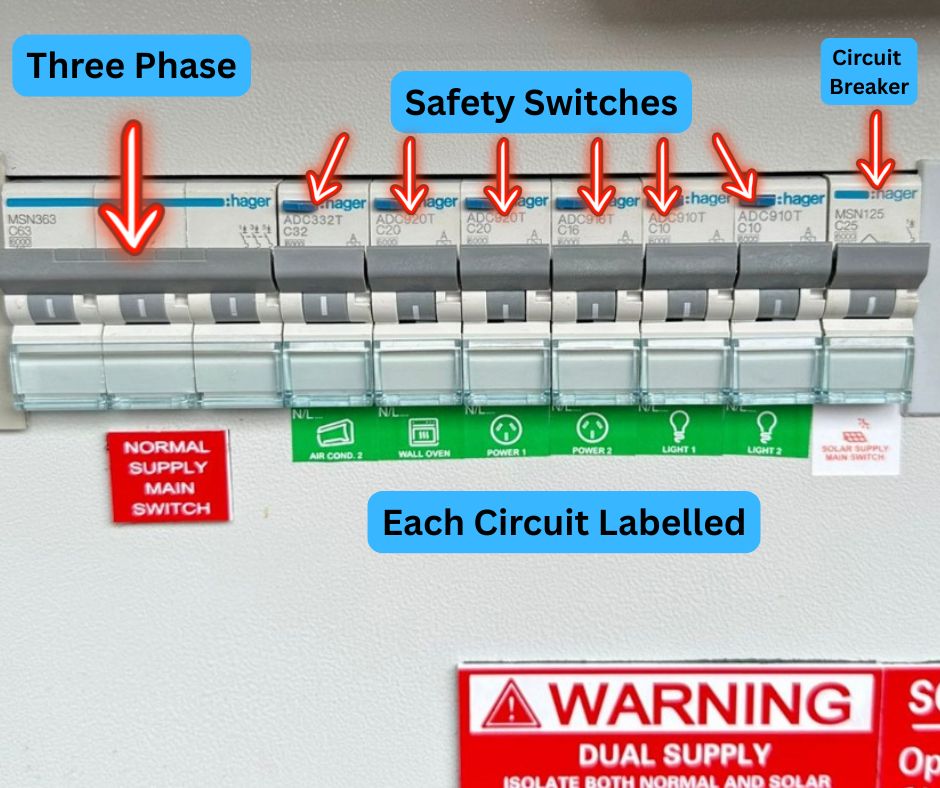
Here are the six signs you might need three-phase power at home.
1. You Want a Fast EV Charger
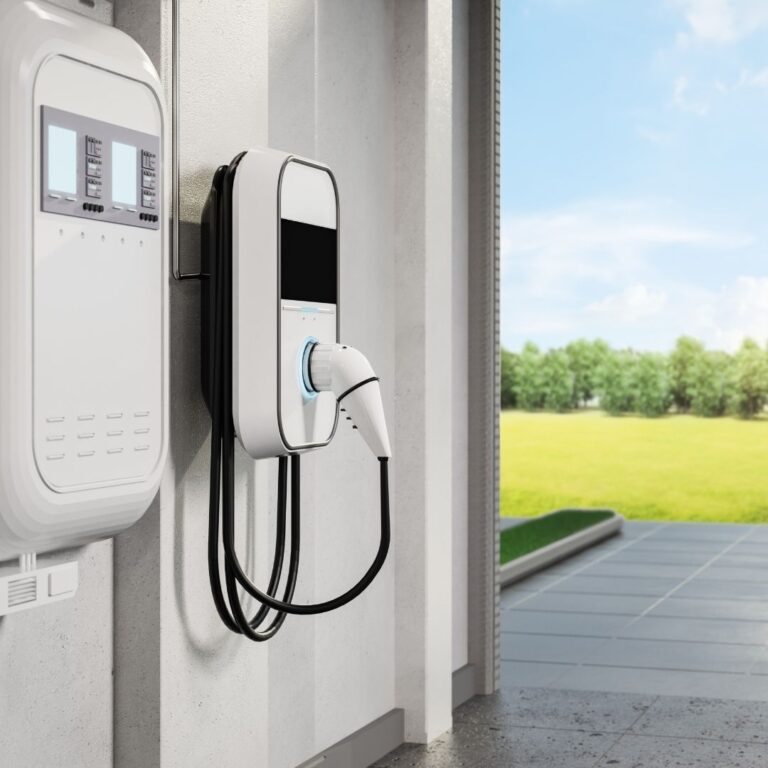
If you’re buying an electric vehicle, you’ve probably looked at home charging options. There’s a big difference between single-phase and three-phase chargers:
- Single-phase (7kW): Adds roughly 40-50km of range per hour
- Three-phase (22kW): Adds roughly 120-150km of range per hour
For most daily driving, a 7kW charger is enough, plug in overnight and wake up to a full battery.
But if you drive long distances, have multiple EVs, or want the flexibility to top up quickly, a 22kW three-phase charger makes a real difference.
Three-phase EV chargers also future-proof your home. As battery sizes increase and more households go electric, faster charging will become the standard.
→ EV charger installation Brisbane
2. You’re Installing Solar Above 5kW
Energex typically requires three-phase power for solar systems above 5kW. Why? It allows your system to export power evenly across all three phases, which helps balance the local electricity grid.
If you’re on single-phase and want a larger system, you’ll either need to:
- Limit your system size to 5kW
- Upgrade to three-phase supply
- Install a system with export limiting (which wastes potential generation)
For most households serious about solar — especially those adding batteries — three-phase makes sense. It gives you room to expand without hitting export limits.

3. You Have (or Want) Ducted Air Conditioning
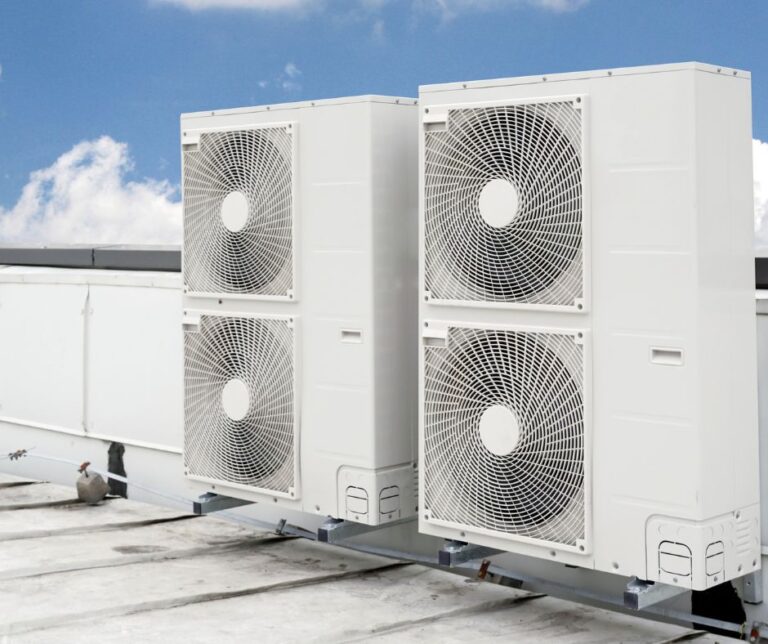
Ducted air conditioning systems cool your entire home through ceiling vents and a central unit. They’re popular in Brisbane for good reason — one system, whole-home comfort, no ugly boxes on every wall.
But ducted systems are power-hungry. Larger units (14kW and above) often require three-phase power to start and run without voltage drop. Even smaller ducted systems can strain a single-phase supply if you’re also running other appliances.
If you already have split systems and want to add ducted AC on top, your existing supply might not cope. Lights dimming when the AC kicks in is a classic sign your electrical system is struggling.
→ Do you need a three-phase switchboard for your air conditioning?
4. You’re Renovating With Induction Cooktop + Electric Appliances
Modern kitchens are going all-electric. Induction cooktops, electric ovens, heat pump hot water, and integrated appliances all add up quickly.
A typical induction cooktop draws 7-8kW at full load. Add an electric oven (3-5kW), a heat pump, and your existing air conditioning and lighting circuits — and you’re approaching the limits of single-phase supply.
If you’re doing a full kitchen renovation or building new, it’s worth considering three-phase from the start. It costs less to install during construction than to retrofit later.
→ Induction cooktop power requirements
5. You Run a Home Workshop
Serious home workshops need serious power. Welders, compressors, dust extractors, and machinery like lathes or table saws can draw significant current — often more than a single-phase supply can comfortably provide.
Three-phase power lets you run professional-grade equipment without tripping breakers or experiencing voltage drop. Motors also run more efficiently and last longer on three-phase supply.
If you’re setting up a workshop in your shed or garage — whether for woodworking, metalworking, or automotive projects — three-phase opens up your equipment options significantly.
→ Workshop and shed electrical fitouts Brisbane
6. Your Electrician Says You’re “Maxed Out”
Sometimes the clearest sign is the simplest: you call an electrician to add a new circuit, and they tell you there’s no room.
This usually means:
- Your switchboard has no spare capacity
- Your main supply can’t handle additional load
- Adding more would risk constant tripping
If you’re in this situation and have plans to add solar, EV charging, air conditioning, or other upgrades, a standard switchboard upgrade might not be enough. You may need three-phase to increase your supply capacity, not just reorganise what’s already there.
Quick Checklist: Do You Actually Need Three-Phase?
Three-phase is worth considering if two or more of these apply to you:
- ☐ You want a 22kW EV charger (not just 7kW)
- ☐ You’re installing solar above 5kW
- ☐ You have or want ducted air conditioning (14kW+)
- ☐ You’re renovating with induction cooktop + electric oven
- ☐ You run a home workshop with heavy equipment
- ☐ Your electrician has said you’re at capacity
- ☐ Lights dim when appliances start
- ☐ Circuit breakers trip when multiple things run at once
If only one applies: You probably don’t need three-phase. A switchboard upgrade or load management might solve the problem more affordably.
If three or more apply: Three-phase is likely the right move — especially if you’re planning multiple upgrades over the next few years. Doing it once saves money versus upgrading incrementally.
How Much Does Three-Phase Cost in Brisbane?
Residential three-phase upgrades typically cost $3,500 to $6,000, including:
- Three-phase switchboard
- Energex application and approval
- New metering
- Cabling from street to switchboard
Costs vary based on:
- Distance from the street
- Underground vs overhead connection
- Condition of existing switchboard
- Whether additional work (like asbestos removal) is needed
We provide fixed quotes after inspection — no surprises.
How Long Does It Take?
About 2-4 weeks from enquiry to completion:
| Step | Timeframe |
|---|---|
| Site assessment and quote | 1-3 days |
| Energex application and approval | 5-10 business days |
| Installation | 4-8 hours |
| Energex meter installation | 1-5 business days |
You’ll be without power for 4-8 hours during the switchboard installation itself.
Will It Increase My Electricity Bills?
If you start using more power, then yes your bill rise as you pay for what you use (kilowatt-hours), not your connection type.
Your daily supply charge might increase by $0.10-$0.30 per day (roughly $50-100 per year), but that’s often offset by:
- Larger solar system = more feed-in credits
- More efficient motors and appliances
- Reduced strain on your electrical system
Not Sure? We’ll Tell You Honestly
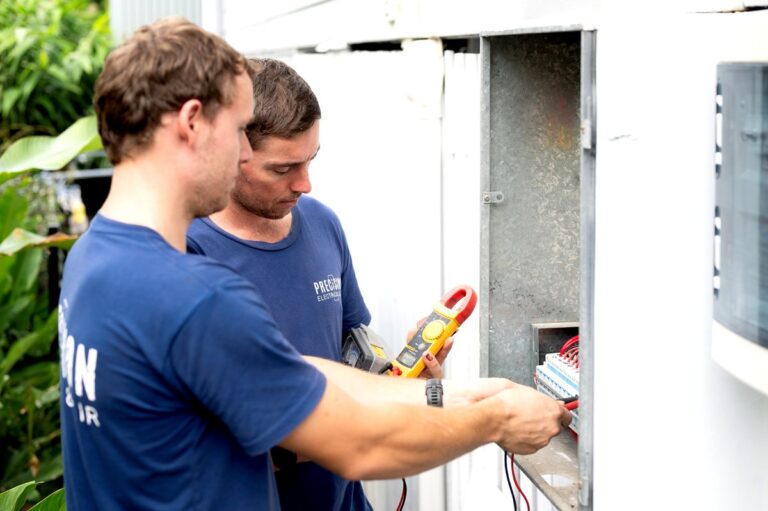
At Precision Electrical & Air, we assess your current electrical system and future plans before recommending anything.
Sometimes the answer is three-phase. Often it’s a simpler switchboard upgrade. Occasionally it’s “you’re fine as you are.”
We don’t upsell. If single-phase is doing the job safely, we’ll leave it alone.
Next Steps To Take
Call 0423 163 359 for a free assessment, or request a quote online.
We’re based in Acacia Ridge and service all of Brisbane’s southside and surrounding areas.→ Three-phase power installations Brisbane