Multi-Split Air Conditioning: Cool Multiple Rooms Without Going Ducted
What is a multi-split air conditioning system?
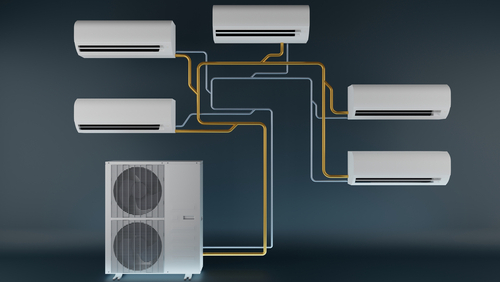
A multi-split air conditioning system connects one outdoor unit to multiple indoor units. It allows you to cool several rooms independently without installing ductwork, making it ideal for homes with limited space or specific zone requirements.
Multi Or Split System?
You want to cool more than one room, but ducted seems like overkill. And installing multiple split systems? That’s more outdoor units taking up space, more cost, and more demand on your switchboard.
Enter the multi-split system.
This smart setup allows you to control the temperature in multiple rooms using a single outdoor unit without sacrificing efficiency or design.
Here’s how it works, who it’s for, and what to know before your air conditioner installation.
1. What Is a Multi-Split System?
Unlike a traditional split system (which has one indoor unit per outdoor unit), a multi-split system connects two to five indoor units to a single outdoor unit.
Each indoor unit is controlled independently so you can:
- Cool the bedroom at night
- Keep the living room cool during the day
- Turn off rooms you’re not using
It’s zone control without ducts and that makes it perfect for many Brisbane homes.
2. Who Should Consider a Multi-Split?
Good fit if:
- You want to cool 2 to 4 rooms
- You don’t have space for multiple outdoor units
- Ducting isn’t possible due to layout or renovation restrictions
- You want control over individual rooms, not full-house cooling
- You want energy savings by only cooling the spaces you need
Not ideal if:
- You need to cool more than 5 rooms
- Your switchboard or mains power is undersized
- You prefer full centralised control from a single thermostat
We can assess your layout and tell you if it’s a fit during a quote visit.
3. Pros and Cons of Multi-Split Systems
Pros:
- Fewer outdoor units = cleaner façade
- Individual room control
- Lower power consumption than ducted for small setups
- Great for townhouses, upstairs-only installs, or units
Cons:
- Initial cost can be higher than separate split systems
- Requires careful pipe layout and pressure balancing
- All indoor units rely on the same outdoor unit (if it fails, all zones go offline)
Our Aircon Installers are experienced in balancing these systems correctly.
4. How We Design Your System
When Precision designs a multi-split system, we:
- Size each indoor unit based on room volume, insulation and usage
- Calculate total outdoor load (kW and circuit capacity)
- Match brands with known reliability (e.g. Mitsubishi Heavy, Daikin)
- Plan pipe routing to avoid unnecessary ceiling or wall access
- Check if your switchboard can support the system or quote an upgrade
This prevents airflow imbalance and improves long-term performance.
5. Can You Add More Units Later?
Some models support expansion. For example, you might install two rooms now, and a third unit in future provided the outdoor unit was sized to allow it.
We’ll flag that in the design if expansion is part of your long-term plan.
6. Is It More Efficient Than Separate Splits?
Not always but it can be, especially if:
- Rooms are used at different times
- You’re replacing window units or ducted in an older home
- You want a neater external layout with just one condenser
Multi-split systems shine when layout and aesthetics matter.
We go into more energy tips in our Energy-Efficient Cooling Guide.
FAQs
What is a multi-split air conditioning system? A multi-split air conditioning system connects one outdoor unit to multiple indoor units — typically two to five rooms. Each indoor unit is controlled independently, allowing you to cool different rooms at different temperatures without installing ductwork.
How many rooms can a multi-split system cool? Most multi-split systems can cool two to five rooms depending on the model and total cooling capacity. The number of indoor units must be matched to the outdoor unit’s capacity — an experienced installer will size the system correctly during the design stage.
Is a multi-split system better than separate split systems? For most homes cooling two to four rooms, yes. A multi-split uses one outdoor unit instead of multiple, which means a cleaner exterior, less demand on your switchboard, and a neater installation overall. Separate split systems can work out cheaper upfront for two rooms, but multi-splits are generally the better long-term choice for three or more.
Is a multi-split air conditioner cheaper than ducted? Usually yes for smaller homes or where only select rooms need cooling. Multi-splits are cheaper to install and run when you don’t need whole-home coverage. Ducted becomes the better value when you want to cool five or more rooms simultaneously or want centralised zone control throughout the entire property.
Can I control each room independently with a multi-split system? Yes. Each indoor unit has its own remote and temperature settings, so you can cool the bedroom at night, keep the living room comfortable during the day, and turn off rooms you’re not using — all from the same outdoor unit.
Can a multi-split air conditioner be connected to solar? Yes. Inverter multi-split systems pair well with rooftop solar when usage is timed with daylight hours. Running your air conditioning between 9am and 4pm maximises the solar energy your system uses and reduces grid costs.
Can I add more indoor units to a multi-split system later? Some models support expansion. If future expansion is part of your plan, the outdoor unit can be sized at installation to accommodate an additional indoor unit later. Your installer should flag this in the system design upfront.
What happens if the outdoor unit on a multi-split system fails? Because all indoor units share one outdoor unit, a fault with the outdoor unit will take all zones offline simultaneously. This is worth considering when choosing between a multi-split and separate split systems — particularly for households where uninterrupted cooling in at least one room is important.
Final Thoughts
Multi-split systems are one of the smartest ways to cool multiple rooms without committing to ducted air or cluttering your home with outdoor units.
We’ve installed hundreds across Brisbane homes—and we’ll help you decide if this flexible, efficient setup is the right fit for your space, your power supply, and your budget.