What Size Split System Air Conditioner Do I Need? Brisbane Buying Guide
Brisbane summers are long and unforgiving. The wrong air conditioner won’t just struggle to keep up, it’ll cost you every month in power bills and wear out faster than it should. Too small and it runs flat-out without ever cooling the room. Too large and it short-cycles, wearing out early and leaving the air feeling clammy.
At Precision Electrical & Air we install hundreds of split systems across Brisbane every year. Getting the sizing right upfront is the difference between smart cooling and buyer’s regret.
What Is a Split System Air Conditioner?
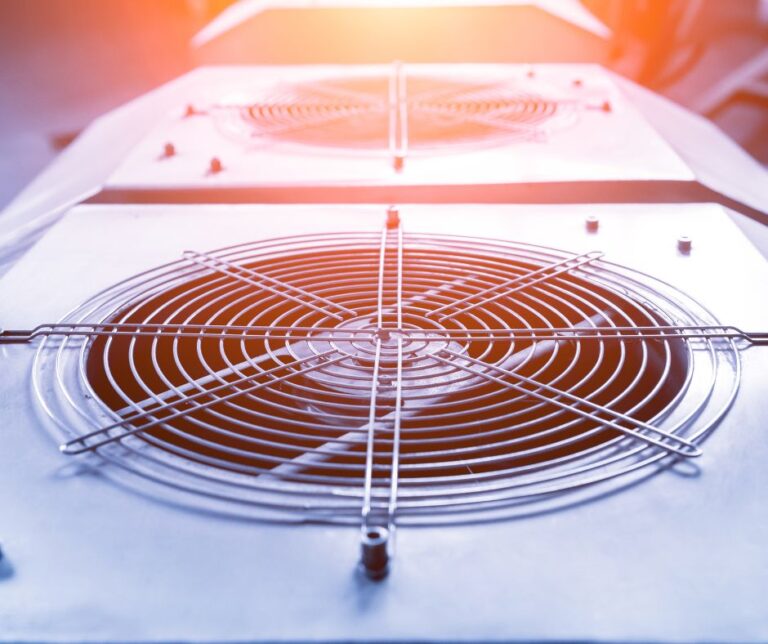
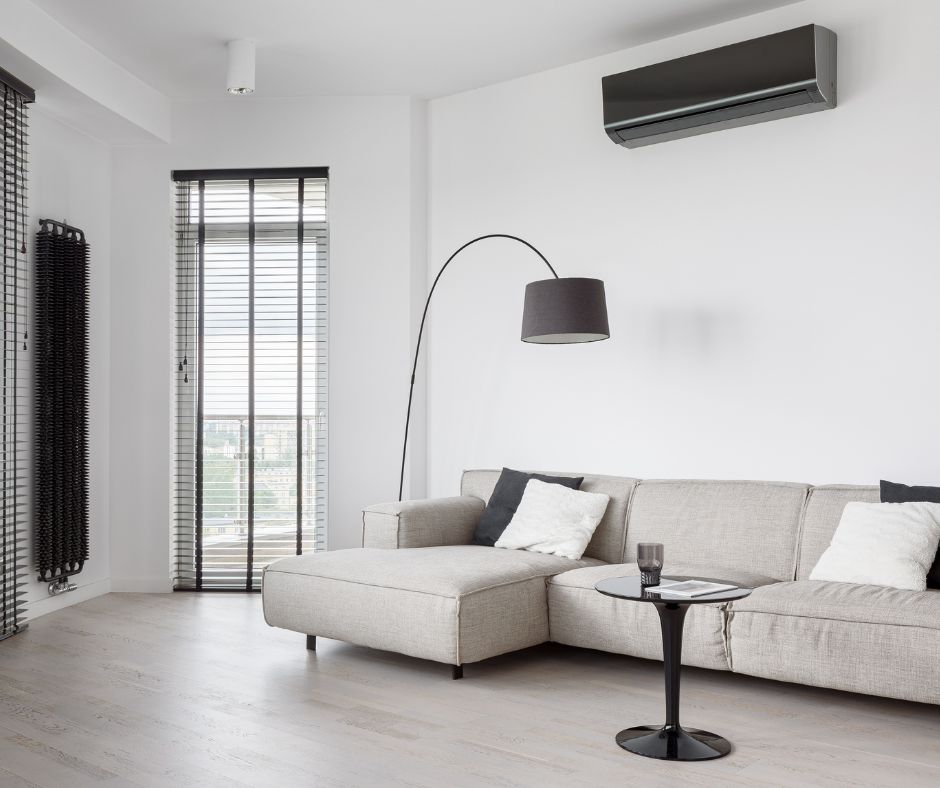
A split system has two components, an indoor unit mounted to the wall and an outdoor condenser unit connected by refrigerant pipes. They’re the most common and cost-effective cooling solution for Brisbane homes, ideal for single rooms or open-plan living areas.
They come in two types:
Fixed-speed units operate at a single speed, fully on or fully off. They’re simple but inefficient and we rarely recommend them.
Inverter units vary their output to match the cooling demand. Quieter, more efficient, better at holding a consistent temperature, and far more compatible with rooftop solar. For Brisbane homes, inverter is almost always the right choice.e time.
How to Size a Split System Correctly
Room size matters but it doesn’t tell the whole story. These factors all affect what size unit you actually need:
Room dimensions, ceiling height, and insulation quality, window size and orientation, wall material and heat gain, whether the room is internal or exposed to the sun, and how many people typically use the space.
General sizing guide for Brisbane:
Bedroom (10-20m²) → 2.5-3.5kW Lounge or living area (25-35m²) → 5-7kW Open plan (40m²+) → 7.1kW and above
Important Brisbane note: West-facing rooms, older homes with minimal insulation, and rooms with large glass windows often need to size up from this guide. A room that looks like a 3.5kW job on paper can easily need a 5kW unit once sun exposure and heat gain are factored in. We calculate this properly during a site inspection, don’t rely on a quick online calculator.for you during a site inspection.
What Features Actually Matter
There’s a lot of marketing noise in the air conditioning industry. Here’s what genuinely makes a difference:
Inverter technology: quieter, more efficient, and essential for solar pairing. Non-negotiable for most Brisbane homes.
Quiet operation: check the indoor dB rating, especially for bedrooms or nurseries. A unit that sounds fine in a showroom can be disruptive at 2am.
Energy star ratings: more stars means lower running costs. But don’t chase stars at the expense of correct sizing. A well-sized 4-star unit will outperform an oversized 6-star one.
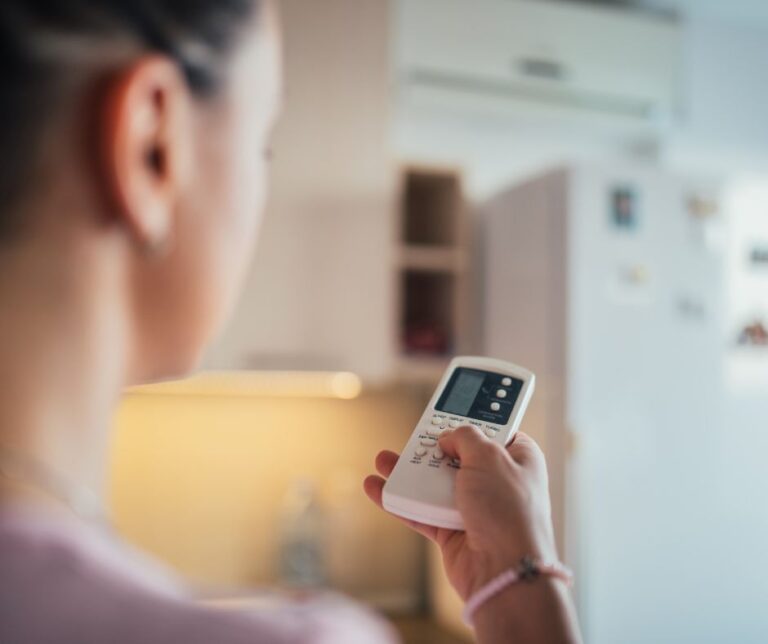
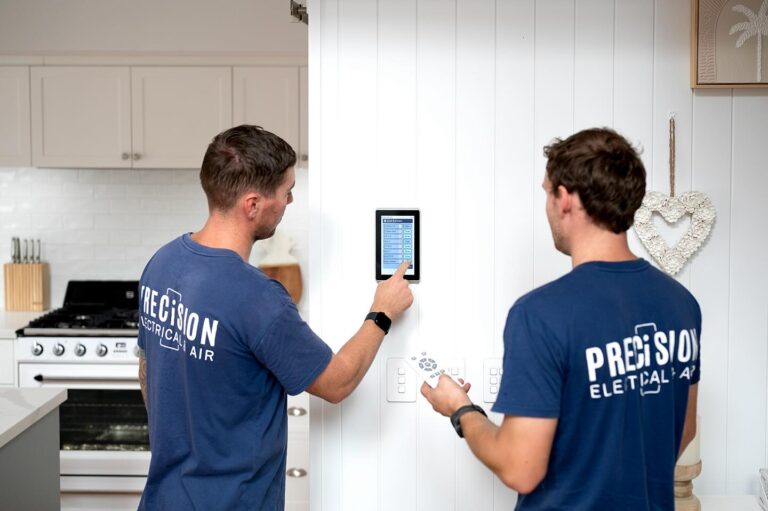
Wi-fi control: genuinely useful if you have solar. Being able to pre-cool your home before you arrive, while the sun is still generating, saves money and gets your home to temperature faster.
Filter access: some units have filters that are awkward to reach and clean. We favour models where maintenance is straightforward, because filters that are hard to clean don’t get cleaned.
Our Air Conditioning Brand Recommendation: Daikin
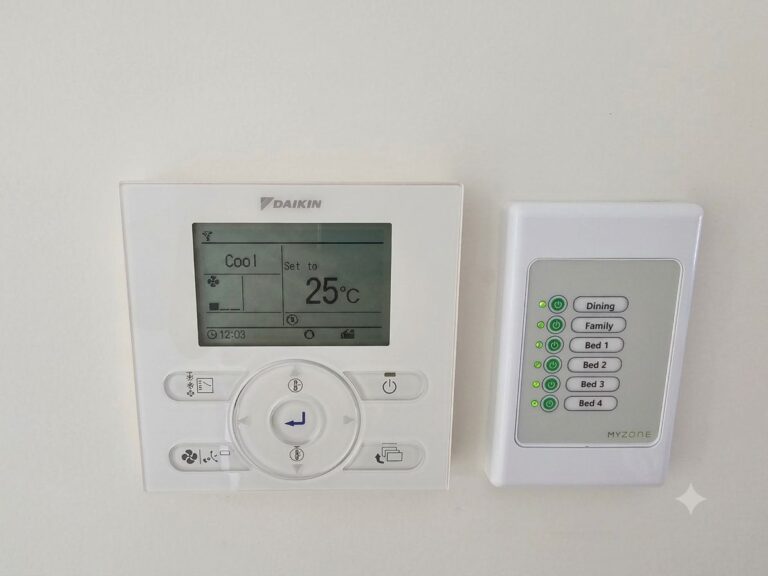
We install systems from Mitsubishi Heavy Industries, Fujitsu, Panasonic, Samsung, and Daikin, and we don’t lock anyone into a single brand. But if you ask us what we’d put in our own home, it’s Daikin.
In our experience installing hundreds of systems across Brisbane, Daikin units consistently outlast the competition. Better build quality, more reliable compressors, and stronger long-term support from their Australian service network. The running costs are competitive and the parts are readily available when something eventually does need attention after years of use.
We still recommend other brands where budget or specific requirements call for it. But Daikin is our default recommendation for a reason, they just last longer.
Placement: Where the Indoor Unit Goes Matters
Correct placement affects how efficiently the system cools the space and how comfortable the airflow feels.
Do: Centre the unit on the wall to distribute airflow evenly across the room. Aim airflow across the space rather than directly at seating areas or beds. Allow at least 15cm clearance around the head unit.
Avoid: Positioning above electronics or headboards, facing large west-facing windows, or mounting too high on vaulted ceilings where heat stratification reduces efficiency.
We’ll recommend the ideal wall position during installation, it’s one of those details that makes a real difference to how well the system performs.m will help choose the ideal wall position during installation.
Multiple Split Systems vs Multi-Split: Which Is Better?
If you want to cool more than one room you have two options. Multiple single split systems give each room its own outdoor unit and its own independent operation, if one fails, the others keep running. A multi-split system connects two to four indoor units to a single outdoor unit, giving you a cleaner exterior and less demand on your switchboard.
Both work well. The right choice depends on your home layout, switchboard capacity, and how you use the space. We’ll advise during a quote visit.
Running Your Split System on Solar
Inverter split systems pair extremely well with rooftop solar. The key is timing, running your air conditioning between 9am and 4pm when solar generation peaks maximises the free energy your roof is producing.
Wi-fi control makes this easy. You can schedule pre-cooling during peak solar hours so your home is already comfortable by the time generation starts to drop in the late afternoon. For more detail on sizing your solar system to match your cooling load, see our guide to running air conditioning on solar.
FAQs
How do I choose the right split system air conditioner for my home? Match the unit’s cooling capacity in kilowatts to your room size, ceiling height, insulation, window orientation, and heat gain. Inverter models offer better energy efficiency and comfort than fixed-speed units. A licensed installer can calculate the exact size during a site inspection, undersizing and oversizing both cause problems.
What size split system do I need for my room in Brisbane? As a general guide for well-insulated Brisbane rooms: a bedroom of 10 to 20 square metres needs 2.5 to 3.5kW, a lounge or living area of 25 to 35 square metres needs 5 to 7kW, and open-plan spaces above 40 square metres need 7.1kW or more. West-facing rooms and older homes with poor insulation often need to size up from this guide.
What is the difference between inverter and fixed-speed split systems? Fixed-speed units operate fully on or fully off. Inverter units vary their output to match demand, quieter, more efficient, better at holding temperature, and more compatible with solar. Inverter models are recommended for almost all Brisbane homes.
Which split system brand lasts the longest? In our experience installing hundreds of systems across Brisbane, Daikin consistently outlasts the competition. Better build quality, more reliable compressors, and stronger Australian service support make Daikin our default recommendation. We also install Mitsubishi Heavy, Fujitsu, Panasonic, and Samsung where budget or specific requirements suit.
Where should a split system be installed in a room? Centre the indoor unit on a wall to distribute airflow evenly. Aim airflow across the room rather than directly at people. Avoid positioning above electronics or headboards, facing large windows, or mounting too high on vaulted ceilings. Allow at least 15cm clearance around the head unit.
Can I install a split system myself in Brisbane? No. Queensland law requires a licensed installer with refrigerant handling accreditation. DIY installation is illegal, unsafe, and voids your warranty. A Certificate of Electrical Safety is issued by a licensed installer on completion.
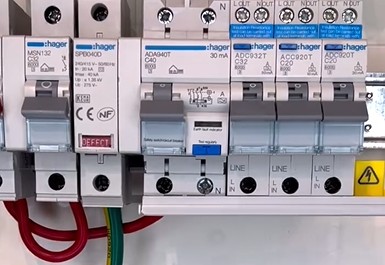
Do I need a new switchboard to install a split system? Sometimes. Older or full switchboards may not have capacity for a new air conditioning circuit. Your electrician will assess this during the quote and advise if an upgrade is needed.
How long does a split system last? Well-maintained Daikin inverter systems regularly reach 15 years or more in our experience. Regular filter cleaning and annual professional servicing are the most important factors in extending system life.
Can I run a split system on solar? Yes. Inverter models work extremely well with solar. Running your system between 9am and 4pm and using wi-fi scheduling to pre-cool your home during peak generation hours are the most effective ways to maximise your solar savings.
Ready To Install?
Choosing the right split system is about more than kilowatts. It’s about cooling efficiently, staying comfortable, and not paying more than you need to month after month.
We install systems that suit your home, not just your room size, and we back every job with honest advice, neat workmanship, and local knowledge built up across hundreds of Brisbane installs.